



Health14 min read
Is Exercise Seriously Underrated? 10 Things It Does for Your Body Beyond Weight Loss
Exercise does far more than help you lose weight. Regular physical activity can improve your mood and sleep, strengthen…
 Precious Iloduba
 Precious Iloduba
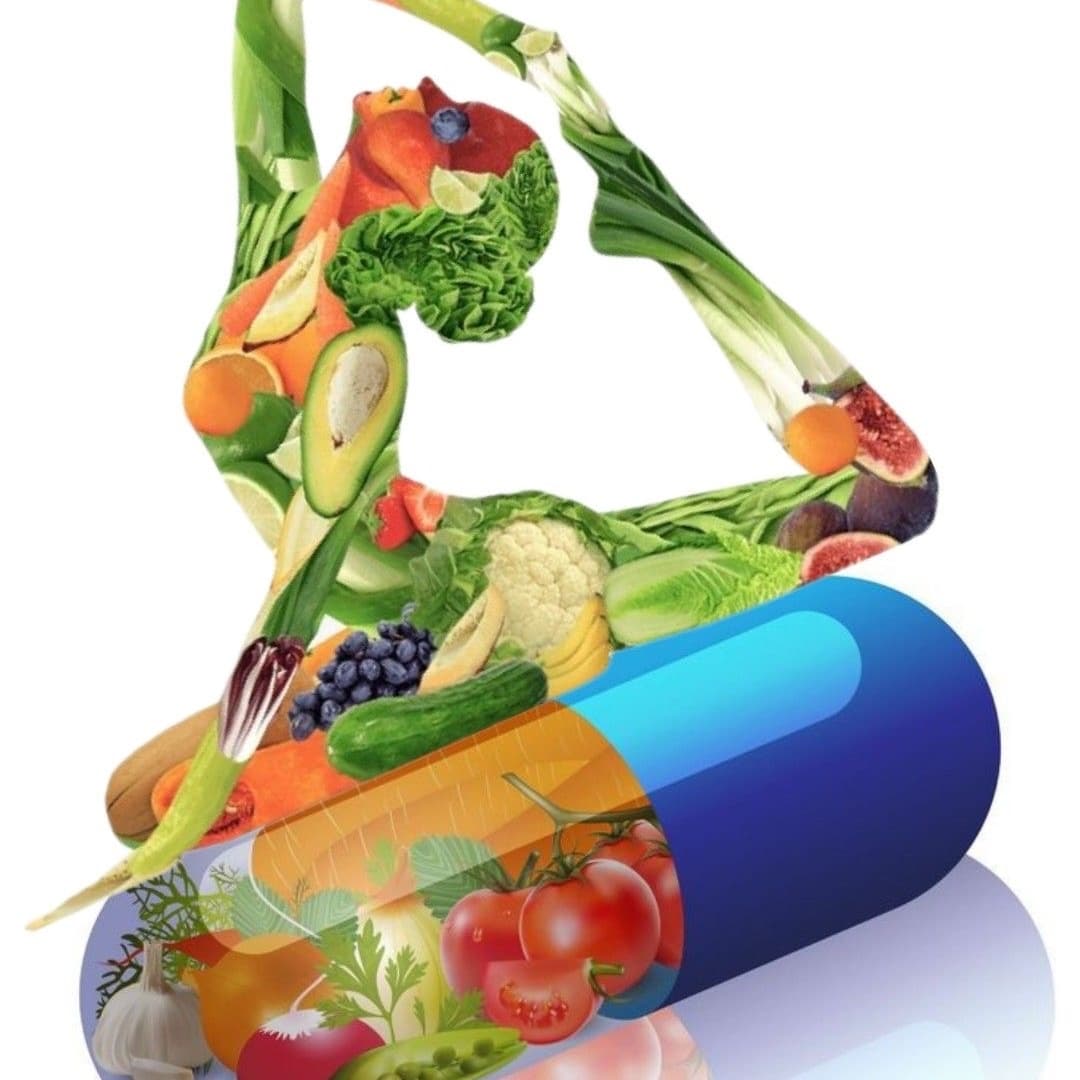
There is a pandemic of fake drugs, edibles, cosmetics and literally everything consumable going on in Nigeria, and this is probably the worst time to eat, drink or swallow just anything. You buy a drug because you have a headache. You buy a bottle of juice because you are thirsty. You pick up a skincare product because you want to take care of your skin. You buy food because you are hungry. Simple, everyday things.
Sadly, you genuinely cannot always tell what is original and what is fake in Nigeria anymore. A product can sit on a shelf looking perfectly normal while being fake, adulterated, poorly stored or completely different from what the label promises. You can buy medication believing you are treating yourself, only to discover that the product was never properly registered or is not what it claims to be. You can buy food thinking you are simply feeding yourself without knowing how it was produced, stored or handled before it got to you.
The scary part is that Nigerians are being forced to take this very seriously.
We are surrounded by things we consume every day, yet we cannot always be completely sure that what we are buying is safe. And when something goes wrong, it is our bodies that have to deal with the consequences.
This is where NAFDAC comes in.
The National Agency for Food and Drug Administration and Control was created to regulate products that Nigerians consume and use, including food, drugs, cosmetics, medical devices and other regulated products. So when fake, adulterated, substandard or unregistered products continue to find their way into the Nigerian market, it is difficult not to ask questions.
How did this product get here? Who approved it? Who was supposed to check it? And how many people have already bought and consumed it before an alert is released?
Because by the time we see a public warning telling us not to consume a particular product, someone may already have bought it. Someone may already have taken it. Someone may already have fed it to their children.
And honestly, this is not the time to be reckless with what we consume.
I know the word “health” can sometimes sound like another lecture about eating vegetables, going to the gym and drinking two litres of water every day.
This is different.
This is about understanding that your body is the only place you have to live, and you cannot afford to keep treating it carelessly.
We cannot control everything that enters the Nigerian market. We cannot personally inspect every factory, laboratory, warehouse or production line. We cannot stand beside every manufacturer and watch how our food, drinks, drugs and cosmetics are produced.
But we can control some things.
We can become more intentional about what we buy.We can stop taking every drug somebody recommends because “it worked for my sister.”We can stop buying mysterious supplements because someone on Instagram promised that they will flatten our stomachs in seven days.We can stop assuming that every herbal mixture is safe simply because it is called natural.
We can stop ignoring strange packaging, broken seals, expired products and outrageous health claims because we have already paid for them.And we can start checking whether the products we use are properly registered and coming from legitimate sources.
BUT WHAT ABOUT THE THINGS WE HAVE ALREADY CONSUMED?
This is where people start talking about detoxing.
Someone eats poorly for a week and immediately wants a detox tea. Someone takes medication and starts looking for a drink that will “flush it out.” Someone feels bloated and suddenly believes they need a three-day cleanse.
But your body does not need a magical tea to become clean.
Your liver and kidneys are already doing the job of processing substances and removing waste from your body. The goal should not be to find another questionable product to “cleanse” you from the questionable products you have already consumed.
The better approach is to support your body with the things it actually needs.
Eat properly. Drink enough water. Eat vegetables and fruits. Get enough protein. Eat fibre-rich foods. Sleep. Move your body. Reduce excessive alcohol. Avoid unnecessary medication and supplements. And most importantly, be more careful about what you put into your body in the first place.
You do not need an expensive detox package to do this.
You can start with the food already available around you.
You do not need to suddenly start buying imported berries, expensive powders and ten different supplements because you are trying to “detox.”
Nigerian food can be nutritious.
Eggs, beans, fish, chicken, vegetables, fruits, oats, potatoes, whole grains, groundnuts, seeds and other ordinary foods can all contribute to a healthy diet.
You can eat your rice. You can eat your beans. You can eat your soup and swallow. You can eat your vegetables. The goal is not to become obsessed with eating perfectly. The goal is to give your body enough nutrients to function properly and avoid making your diet unnecessarily dependent on highly processed foods and questionable products.
And please, stop thinking that because something is expensive, it must be healthy. And also stop buying cheap things! AIM for quality. That’s the least thing you can do for yourself now, reduce the rate of purchasing most things by the road side. Go to an actual registered store or supermarket; while that is not guaranteed, it’s better than buying from road side sellers. Most of them sell a lot of fakes!
A ₦20,000 supplement can still be a bad product.
A ₦2,000 bag of vegetables can still give you nutrients your body needs.
The price tag is not a health certificate.
One of the most dangerous things we have normalised is treating medication like ordinary household items.
Headache? Take something.
Stomach pain? Take something.
Cough? Take something.
Period pain? Take something.
Someone says they have a similar symptom? Take what they took.
We have become so comfortable recommending medication to one another that sometimes we forget that drugs are supposed to do something to the body.
If you are sick, find out what is actually wrong instead of continuously treating symptoms with whatever somebody recommends.
And when you need medication, buy it from a legitimate source and follow proper medical advice.
Your health should not be a guessing game.
There is a bigger conversation to be had about regulation, enforcement and accountability in Nigeria, and that conversation should not disappear simply because we are telling individuals to be more careful.
Consumers should not have to become detectives just to buy ordinary products.
NAFDAC has a responsibility to Nigerians. Manufacturers have responsibilities. Importers and distributors have responsibilities. Sellers have responsibilities.
But until we have a system where people can confidently buy products without constantly wondering whether they are genuine, we also have to protect ourselves as much as we can.
Check labels.Check expiry dates.Be careful where you buy medication.Look out for suspicious packaging.Do not believe every miracle claim.Do not take unnecessary medication.Do not assume “natural” means safe.
And if you come across a suspicious product, do not just complain about it in your family WhatsApp group. Find out where and how it can be reported.
Because the truth is, we cannot control everything that is sold to us, but we can become more careful about what we choose to consume.
Our bodies already have enough work to do.
The least we can do is give them good food, enough water, proper rest and the nutrients they need to keep doing that work.
In a country where “fake” has become a word we hear far too often, taking care of your health cannot be something you remember only when you get sick. It has to become part of how you live.
Get thoughtful stories, useful ideas, practical insights and fresh perspectives on life, money, health, work and everything in between straight to your inbox.
Exercise does far more than help you lose weight. Regular physical activity can improve your mood and sleep, strengthen…
Precious Iloduba
What happens when the business you started to achieve financial freedom becomes the very thing that frustrates you? We…
 Precious Iloduba
Introduction One of the hardest things to do currently as an average Nigerian is to save money. What’s the minimum…
 Precious Iloduba
Comments