



Lifestyle13 min read
Deconstruction vs. Atheism: They’re Not the Same Thing
Few months ago, I wrote an article on deconstructing religion and Christianity and how they are not the same thing.…
 Precious Iloduba
 Precious Iloduba
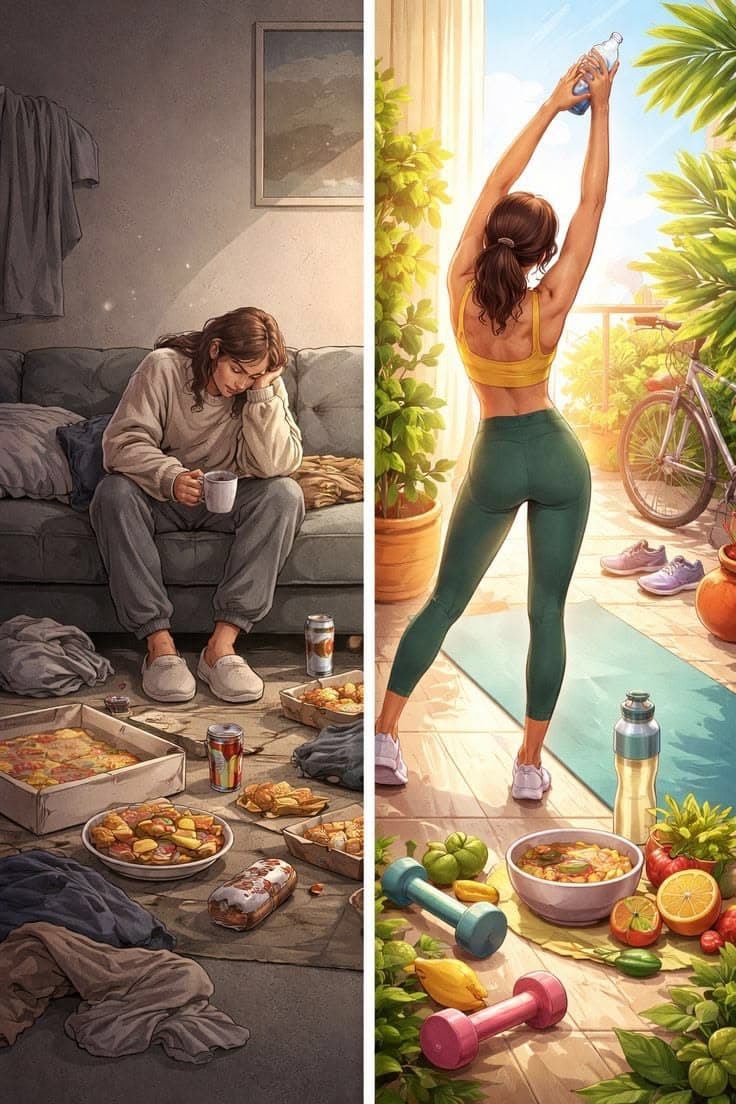
There is something many of us believe when we are young: that our bodies will always forgive us. We can eat whatever we want, sleep whenever we want, spend weeks without exercising, survive on fast food and sugary drinks, and somehow still wake up the next morning feeling fine. Because nothing immediately hurts, we assume nothing is wrong. We tell ourselves that we have plenty of time to become healthier later, perhaps when we get older, when work becomes less stressful, when we have more money, or when life finally becomes more settled. But the body doesn’t work according to the plans we make for our future. The habits we repeat in our twenties and thirties are already shaping the person we will become in our forties, fifties and beyond. You may not notice the consequences today, and that is precisely what makes unhealthy living so easy to ignore.
Your twenties and thirties are often treated as the years when you are supposed to enjoy yourself. You are young, you have energy, and there is this general feeling that serious health problems belong to another generation. High blood pressure sounds like something your parents should worry about. Diabetes sounds like something that happens to older people. Heart disease feels like a distant problem. Going to the hospital for something serious is something you imagine happening much later in life. So you eat whatever is available, order takeout because you are too tired to cook, spend most of your day sitting, sleep at strange hours, and tell yourself that you will take your health seriously when you are older. The problem is that your body doesn’t suddenly become unhealthy on your fiftieth birthday. Many of the conditions that show up later are influenced by habits and risk factors that have been developing quietly for years.
This doesn’t mean that every illness is your fault or that eating healthy will somehow guarantee that you never see a hospital. Life is not that simple. Young people can get sick, accidents happen, genetics matter, and some medical conditions have nothing to do with lifestyle. The goal isn’t to create a fantasy where you become so healthy that nothing can ever happen to you. The goal is to give your body the best possible foundation and reduce the risk of health problems that are influenced by the way you live. That foundation is built in ordinary moments, often in ways that seem too small to matter at the time. What you eat most days, how often you move, how much you sleep, whether you smoke, how much alcohol you consume, how you handle stress and whether you seek medical attention when something feels wrong can all become part of that foundation.
One of the reasons people struggle with healthy living is that they imagine it requires perfection. They think they have to completely change their diet, wake up at 5 a.m., spend two hours in the gym, give up every food they enjoy and become one of those people who somehow has a perfectly organized life. That approach can make healthy living feel exhausting before you even begin. In reality, your body does not need perfection. It needs consistency. Eating a nutritious meal most of the time is more useful than eating perfectly for three days and then giving up. Walking regularly is more valuable than buying a gym membership you never use. Getting enough sleep most nights matters more than occasionally sleeping for ten hours after spending the previous week exhausted.
The question isn’t whether you ate something unhealthy yesterday. One burger isn’t going to destroy your health, just as one salad isn’t going to transform it. The more important question is what your normal looks like. If vegetables, fruits, whole grains, legumes, protein-rich foods and other nutritious options regularly appear in your meals, while heavily processed foods, excessive sugar, excess salt and sugary drinks are occasional rather than constant, you are creating a much healthier pattern. The World Health Organization emphasizes that healthy diets are built around variety and nutrient-rich foods and recommends limiting excess free sugars, sodium and unhealthy fats. The point isn’t to make you afraid of food; it is to help you understand that what you repeatedly eat becomes part of the environment in which your body has to function.
Another mistake we make is assuming that health can be judged by looking at someone’s body. Someone loses weight and everyone immediately assumes they are healthier. Someone gains weight and people assume something must be wrong. But health is much more complicated than appearance. A person can be thin and have an unhealthy diet, just as a person with a larger body can be making positive changes to their health. Your weight can provide useful information, but it doesn’t tell the entire story.
Food is doing much more inside your body than determining whether your jeans fit. It supplies nutrients, influences your energy, supports your muscles, contributes to the health of your digestive system and plays a role in many of the processes that keep you alive. This is why healthy eating should not be approached simply as a weight-loss project. You are not eating well only because you want to look good in photographs. You are eating well because you want your brain, heart, muscles, digestive system and the rest of your body to have the resources they need to function properly.
This also means you don’t have to turn food into a punishment. You can enjoy your favorite meals. You can eat rice, yam, plantain, beans, soup, fish, eggs, chicken and other foods that are part of your culture and everyday life. You can have cake at a birthday party. You can enjoy a burger with your friends. The problem begins when foods that should be occasional become the foundation of your everyday diet. There is a big difference between enjoying something and depending on it.
Think about what happens when you’re busy. You wake up late, rush to work or school, and grab whatever you can find. By afternoon you’re hungry again, so you buy something quick. In the evening you’re exhausted and don’t feel like cooking, so you order food. You sit down with your phone, eat while scrolling, and barely notice how much you’ve consumed. Then perhaps you snack late at night because you’re still awake. None of those individual decisions feels particularly serious. That is exactly how unhealthy habits become normal.
The problem is rarely one terrible meal. It is the accumulation of small decisions repeated hundreds or thousands of times. If your everyday meals are mostly fried foods, sugary drinks, processed snacks and oversized portions, while fruits, vegetables, fibre and nutritious sources of protein barely appear, your diet is telling a different story from the occasional healthy meal you might post on social media.
This is why one of the best things you can do in your twenties and thirties is learn how to feed yourself properly. Not because you need to become obsessed with nutrition, but because food is something you will deal with every single day for the rest of your life. Learning how to put together a balanced meal is a life skill, just like knowing how to manage money or communicate in a relationship.
Exercise is another habit people often postpone because they think they need the perfect conditions to begin. They imagine that exercise means joining a gym, buying expensive workout clothes and spending an hour lifting weights every day. If they cannot do all of that, they do nothing. But movement doesn’t have to look impressive to be useful.
You can walk. You can dance. You can cycle. You can play football or another sport. You can take the stairs. You can follow a workout at home. You can go for a brisk walk after dinner instead of immediately sitting down. You can simply find more opportunities throughout the day to get your body moving. What matters is that physical activity becomes part of your life rather than something you only remember when you suddenly feel guilty about your health.
The World Health Organization recommends that adults get at least 150 minutes of moderate-intensity physical activity each week, or 75 minutes of vigorous activity, while also including muscle-strengthening activities on at least two days a week. You don’t have to achieve that overnight. You can build toward it gradually. The important thing is to stop thinking of movement as something you do only when you are trying to lose weight. Your body needs movement because movement helps you remain physically capable.
And there is something particularly valuable about building strength while you are young. You are not only exercising for the body you have today; you are helping to build physical capacity that can serve you later. Being able to carry things, climb stairs, get up from the floor, walk long distances and perform everyday activities without struggling is a form of independence that becomes increasingly valuable as you age.
There is also a strange culture among young adults where exhaustion is sometimes treated like an achievement. Someone says they slept three hours because they were working all night, and instead of asking whether they are okay, people sometimes admire how hard they are working. We have somehow made being constantly tired sound ambitious.
But your body does not care how productive you think you are. It still needs sleep.
You need time to recover, and consistently poor sleep can affect your ability to function during the day. It can also make everything else harder. When you’re exhausted, it becomes easier to skip exercise, harder to make thoughtful food choices, and much more difficult to manage stress. You may reach for caffeine simply to feel normal and then find yourself struggling to sleep later, creating a cycle that keeps repeating.
Life will sometimes interfere with your sleep. There will be late nights, deadlines, babies, travel, parties and unexpected responsibilities. That’s normal. The problem is when poor sleep stops being an occasional disruption and becomes your lifestyle. Going to bed at a reasonable time may not feel as exciting as staying up until 2 a.m. scrolling through your phone, but your future self will probably appreciate the boring decision.
One of the biggest mistakes young people make with healthcare is assuming that feeling fine means they don’t need to pay attention to their health. We often think the hospital is for emergencies, while checkups and preventive care are things we can worry about later.
But some health conditions can develop without obvious symptoms. High blood pressure, for example, can exist without making someone feel sick. That is why knowing your numbers and having appropriate health checks can be useful even when you feel perfectly normal.
You should also learn to pay attention to changes in your body. If something unusual persists, keeps returning or concerns you, don’t automatically dismiss it because you’re young. You don’t have to panic about every headache or stomachache, but you also don’t need to prove how tough you are by ignoring something that clearly needs attention. Getting medical advice early can sometimes be much easier than waiting until a problem becomes severe.
Knowing your family medical history can also help you understand what you may need to discuss with a healthcare professional. You may not be able to change your genetics, but knowing what runs in your family can help you and your doctor make more informed decisions about prevention and screening.
Smoking Is Not a “Later” Problem
There are certain habits where the best time to avoid them is before they become habits. Smoking is one of them. You don’t become immune to the effects of tobacco simply because you’re twenty-five instead of fifty. The same goes for other substances and behaviors that can cause significant harm when used excessively or irresponsibly.
The problem with telling yourself that you’ll quit later is that “later” has a habit of moving. A person can start smoking socially, then smoke when drinking, then smoke when stressed, and eventually realize that something they thought they controlled has become part of their everyday life. The same pattern can happen with alcohol and other substances.
Your twenties and thirties are an excellent time to be honest with yourself about these habits. If something is becoming a regular way of coping with stress, sleeping, socializing or escaping your problems, it deserves a closer look. You don’t have to wait until it causes a major problem before deciding that you want a different relationship with it.
Sometimes people hear “healthy lifestyle” and immediately think about food and exercise, but you cannot separate your physical health completely from your mental and emotional well-being. You can eat nutritious meals and exercise regularly while carrying enormous amounts of stress, loneliness or emotional exhaustion.
Your twenties and thirties can be incredibly demanding years. You may be trying to build a career, maintain relationships, support your family, figure out your finances and decide what you actually want from life. There can be pressure to appear successful even when you are struggling privately. Social media makes this even harder because you can spend your evening watching people who seem to have everything figured out while you are wondering what you are doing with your own life.
Taking care of yourself therefore has to include learning how to deal with stress in healthier ways. That might mean spending time with people you trust, creating boundaries, taking breaks, exercising, spending time outdoors, praying or reflecting if that is meaningful to you, or speaking with a mental health professional when you need one. You don’t have to wait until you are completely overwhelmed before deciding that your mental health deserves attention.
Modern life has made unhealthy living remarkably convenient. You can order almost anything from your phone, spend an entire day sitting at a desk, have entertainment delivered directly to your bed and go hours without taking more than a few steps. None of these conveniences is automatically bad, but the problem appears when convenience becomes the entire lifestyle.
If you’re constantly choosing the option that requires the least movement, the quickest meal, the latest bedtime and the easiest way to avoid discomfort, you may gradually build a life that demands very little from your body. Eventually, even ordinary physical activity can begin to feel difficult.
The solution isn’t to reject convenience. It’s to make healthy choices easier too. Keep nutritious foods around when possible. Find physical activities you actually enjoy. Walk when you can. Prepare meals when it fits your schedule. Create a bedtime routine that makes sleeping easier. You don’t have to rely on motivation every day when you can design your environment to support better habits.
This part matters because health conversations can sometimes sound like a lecture from someone telling you that every mistake you’ve made will come back to destroy you. That isn’t helpful.
Maybe your twenties haven’t looked anything like what you planned. Maybe you’ve spent years eating poorly, barely exercising and sleeping at strange hours. Maybe you’re already in your thirties and you’re thinking, “Well, I’ve already done the damage.”
Don’t think about it that way.
You cannot change the meals you already ate or the years you already spent sitting on the couch. But you can change what you do next. One healthy meal won’t erase years of unhealthy eating, but it can be the beginning of a different pattern. One walk won’t transform your fitness, but walking consistently can. One good night’s sleep won’t fix everything, but changing your sleep habits can improve your overall routine.
The goal isn’t to punish yourself for the past. The goal is to change your direction.
Imagine being sixty and looking back at the person you were in your twenties. You probably won’t care very much about whether you had the perfect body at twenty-five. You may care much more about whether you took care of yourself well enough to enjoy your life.
You may want to travel without worrying about whether your body can handle it. You may want to play with your grandchildren. You may want to walk comfortably, climb stairs, carry your own bags, enjoy meals without constantly worrying about your health and remain independent for as long as possible.
None of us can guarantee that future. Genetics, accidents, illnesses and circumstances outside our control will always exist. But there is something powerful about understanding that the choices you make today are contributing to the body you will have later.
Your twenties and thirties are not the years when you should be thinking, “I’m young; I’ll take care of myself later.” They are the years when you should be thinking, “I’m young, so this is the best time to build habits that will serve me for the rest of my life.”
Eating well is part of that foundation. Moving your body is part of it. Sleeping properly is part of it. Managing stress is part of it. Avoiding tobacco and being thoughtful about alcohol and other substances is part of it. Paying attention to your health instead of waiting for an emergency is part of it too.
You cannot completely control whether you will ever need a hospital. Nobody can promise you that. But you can make choices that reduce avoidable risks and give your body a stronger foundation.
And perhaps that is the real purpose of healthy living in your twenties and thirties. It isn’t about trying to live forever or becoming obsessed with being healthy every second of the day. It is about refusing to take your health for granted simply because you are young.
Because youth is not a permanent health plan.
Your body is the home you are going to live in for the rest of your life, and the earlier you start taking care of that home, the better your chances of enjoying it for a very long time.
Get thoughtful stories, useful ideas, practical insights and fresh perspectives on life, money, health, work and everything in between straight to your inbox.
Few months ago, I wrote an article on deconstructing religion and Christianity and how they are not the same thing.…
Precious Iloduba
There is a saying that “delusion is the cousin of hope”. It may not sound realistic. In fact, it probably isn’t. But…
Precious Iloduba
One thing I’ll always tell my friends is that social media is such a leveler,an enabler and a joke. I find it very…
Precious Iloduba
Comments